


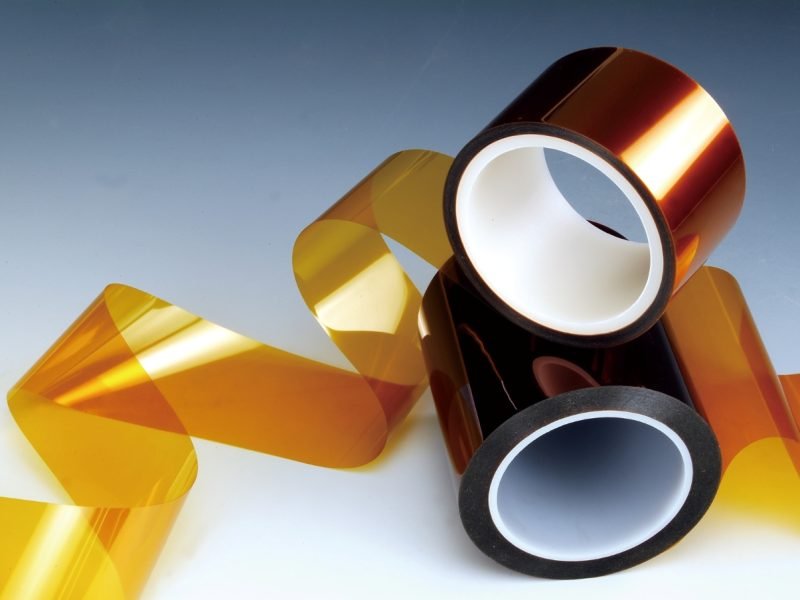
Introduction: The rise of non-silicon protective films
In today’s era of rapid technological advancement, non-silicon protective films , as a new type of material, are gradually becoming the darling of the industry. Whether it is electronic products, photovoltaic modules or other high-tech fields, the application of non-silicon protective films is mushrooming.
What is a non-silicone protective film?
Simply put, a non-silicone protective film is a silicone-free protective material that offers exceptionally high temperature resistance and chemical stability. Its primary function is to protect substrates from environmental damage while maintaining excellent light transmittance and flexibility. Consequently, an increasing number of companies are focusing on the research and development and application of this material.
Market demand for non-silicone protective films
With the increasing prevalence of electronic devices, consumers’ demands for product quality have also risen sharply. Everyone wants better protection for their mobile phone screens, TV monitors, and other devices, and non-silicone protective films precisely meet this need. Market research predicts that market demand for non-silicone protective films will grow at an impressive 15% annual rate over the next few years.
Diversified application areas
Non-silicone protective films have a wide range of applications. They are widely used in a variety of fields, including electronic product protection, photovoltaic device packaging, and the automotive industry. For example, non-silicone protective films used in photovoltaic modules can significantly improve the conversion efficiency of light energy, making the use of renewable energy more efficient.
Technological progress drives industry development
The technological advancements in non-silicone protective films are truly exciting! With the continuous advancement of materials science, the methods for producing non-silicone protective films are also constantly innovating. For example, non-silicone protective films manufactured using nanotechnology are not only thinner and lighter, but also offer enhanced protection. This has undoubtedly injected new vitality into the industry.
Challenges and opportunities
Of course, the rapid development of non-silicone protective films also presents numerous challenges. The first is material cost. While technological advancements have boosted production efficiency, raw material price fluctuations remain a key concern for companies. Furthermore, fierce market competition has seen major manufacturers enter the market, leading to a looming price war.
However, challenges often also present opportunities. With growing environmental awareness, the market prospects for non-silicone protective films, as an environmentally friendly material, remain positive. Companies that increase R&D investment and enhance product performance will stand out from the competition.
In today’s era of rapid technological advancement, non-silicon protective films , as a new type of material, are gradually becoming the darling of the industry. Whether it is electronic products, photovoltaic modules or other high-tech fields, the application of non-silicon protective films is mushrooming.
What is a non-silicone protective film?
Simply put, a non-silicone protective film is a silicone-free protective material that offers exceptionally high temperature resistance and chemical stability. Its primary function is to protect substrates from environmental damage while maintaining excellent light transmittance and flexibility. Consequently, an increasing number of companies are focusing on the research and development and application of this material.
Market demand for non-silicone protective films
With the increasing prevalence of electronic devices, consumers’ demands for product quality have also risen sharply. Everyone wants better protection for their mobile phone screens, TV monitors, and other devices, and non-silicone protective films precisely meet this need. Market research predicts that market demand for non-silicone protective films will grow at an impressive 15% annual rate over the next few years.
Diversified application areas
Non-silicone protective films have a wide range of applications. They are widely used in a variety of fields, including electronic product protection, photovoltaic device packaging, and the automotive industry. For example, non-silicone protective films used in photovoltaic modules can significantly improve the conversion efficiency of light energy, making the use of renewable energy more efficient.
Technological progress drives industry development
The technological advancements in non-silicone protective films are truly exciting! With the continuous advancement of materials science, the methods for producing non-silicone protective films are also constantly innovating. For example, non-silicone protective films manufactured using nanotechnology are not only thinner and lighter, but also offer enhanced protection. This has undoubtedly injected new vitality into the industry.
Challenges and opportunities
Of course, the rapid development of non-silicone protective films also presents numerous challenges. The first is material cost. While technological advancements have boosted production efficiency, raw material price fluctuations remain a key concern for companies. Furthermore, fierce market competition has seen major manufacturers enter the market, leading to a looming price war.
However, challenges often also present opportunities. With growing environmental awareness, the market prospects for non-silicone protective films, as an environmentally friendly material, remain positive. Companies that increase R&D investment and enhance product performance will stand out from the competition.