 :+86 18928917855
  :sales@qinlefilms.com

PE and PET Films: Unsung Heroes in Electronics Manufacturing
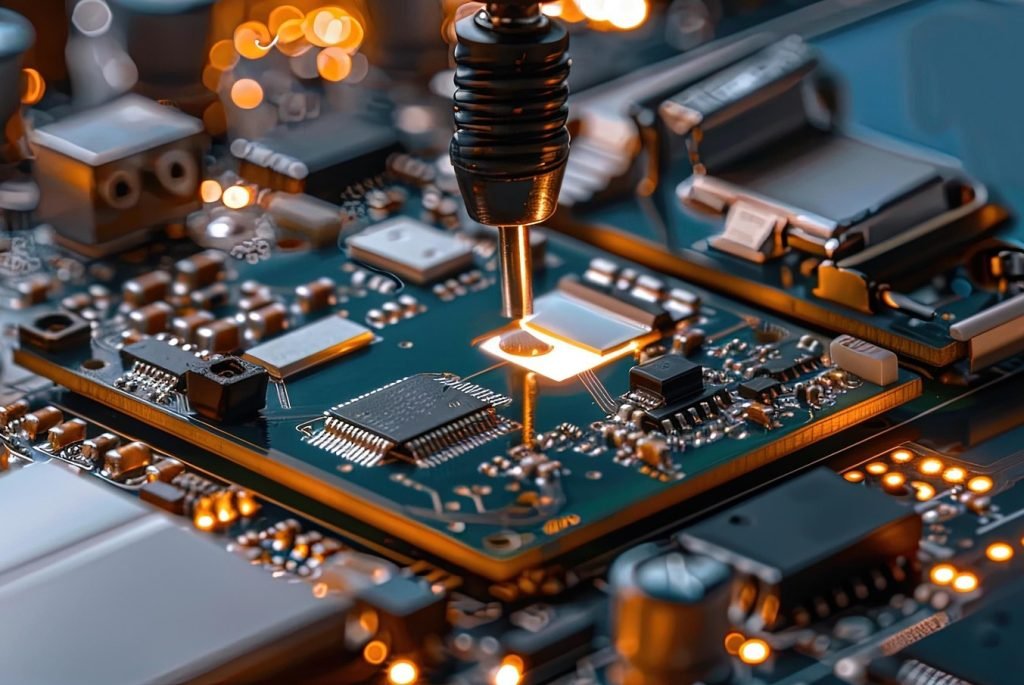
Walk through any electronics manufacturing facility, and you’ll see a flurry of high-tech equipment, precision tools, and skilled technicians bringing smartphones, automotive electronics, and 3C devices to life. But amid this complexity, two humble materials play a critical role in ensuring quality, efficiency, and reliability: Polyethylene (PE) film and Polyethylene Terephthalate (PET) film. Though often overlooked, these films are the unsung heroes that protect components, enable precise manufacturing, and enhance product performance. Let’s dive into their unique properties and the detailed applications that make them indispensable in electronics production.
Table of Contents
First, the Basics: What Makes PE and PET Films Unique?
Before exploring their applications, it’s essential to understand the core characteristics that differentiate PE and PET films—and why each is chosen for specific manufacturing tasks.
Polyethylene (PE) Film: The Flexible Protector
PE film is a thermoplastic polymer known for its exceptional flexibility, low cost, and excellent chemical resistance. It has a smooth surface, adjustable adhesion levels (from low-tack to high-tack), and good impact resistance—though it’s not high temperature resistance (typically maxing out at 60–80°C). These traits make it ideal for temporary protection and non-structural applications where flexibility and residue-free removal are key.
Polyethylene Terephthalate (PET) Film: The Rigid Performer
PET film, by contrast, is a rigid, dimensionally stable thermoplastic with superior mechanical strength, high-temperature resistance (withstanding 120–150°C for short periods, and up to 200°C for specialized grades), and excellent electrical insulation properties. It also boasts strong chemical resistance and low moisture absorption. These attributes position PET as a go-to material for functional applications like insulation, structural support, and high-temperature compatibility.
PE Film in Electronics Manufacturing: Protection Every Step of the Way
PE film’s primary role in electronics production is to shield components and surfaces from damage during manufacturing, assembly, and transportation. Its flexibility and customizable adhesion make it adaptable to nearly every stage of the process.
1. Surface Protection for Raw Components
Before assembly even begins, raw components like metal casings (for smartphones or laptops), glass display panels, and aluminum heat sinks require protection from scratches, dust, and fingerprints. PE film—often with a low-tack adhesive—is applied to these surfaces at the component supplier’s facility and remains in place until the final assembly stage.
Example: A smartphone manufacturer receives aluminum frame blanks covered in PE film. The film protects the frames during CNC machining (preventing metal shavings from scratching the surface) and only gets removed when the frame is ready for anodization or final assembly with the display.
2. Temporary Fixation in Assembly Lines
In high-speed assembly lines, precision is paramount. PE film is used to temporarily hold small components in place during soldering, bonding, or inspection—eliminating the need for clamps that could damage delicate parts.
Example: When assembling a printed circuit board (PCB) for a smartwatch, tiny connectors or resistors may shift during the SMT (Surface Mount Technology) placement process. A thin, low-tack PE film is applied over the components to hold them in position while the PCB passes through the reflow oven. The film is easily peeled off post-soldering without leaving residue.
3. Masking for Coating and Decoration
Electronics often require decorative or protective coatings—such as anti-fingerprint coatings on glass screens or conductive coatings on metal parts. PE film acts as a masking material to cover areas that shouldn’t be coated, ensuring clean, precise results.
Example: A laptop manufacturer applies a matte finish to the top cover of a device. They use a custom-cut PE film to mask the brand logo and hinge areas, then spray the coating. After curing, the film is removed, leaving the logo crisp and uncoated.
4. Transportation and Storage Safeguard
Finished or semi-finished products (like assembled PCBs or display modules) need protection during shipping between facilities or to end customers. PE film is wrapped around these products or used as a liner in shipping boxes to prevent friction damage, moisture absorption, and dust buildup.
PET Film in Electronics Manufacturing: Function Beyond Protection
While PE film focuses on protection, PET film takes on more functional roles—leveraging its strength, heat resistance, and insulation properties to enable critical manufacturing processes and enhance product performance.
1. PCB Insulation: Preventing Short Circuits
PCBs are the "brains" of electronics, and proper insulation is non-negotiable to avoid short circuits. PET film is converted into insulation sheets, tapes, or cover films that separate conductive layers (like copper traces) from metal components or other circuits.
Example: In automotive electronics (such as engine control units), PCBs are exposed to high vibrations and temperature fluctuations. A thin PET insulation film is laminated between the PCB and the metal housing to prevent electrical contact and ensure long-term reliability.
2. Display Technology: The Foundation of Clear Screens
PET film is a core component in LCD and OLED displays—two technologies that power nearly all modern electronics. For LCDs, PET serves as the base substrate for polarizing films, which control the direction of light to create clear images. For flexible OLED displays (used in foldable smartphones), PET acts as a flexible support layer that maintains structural integrity while allowing the screen to bend.
Example: A foldable smartphone’s OLED panel uses a 50μm thick PET film as the underlayer. This film supports the delicate OLED pixels during folding and protects them from moisture, ensuring the screen lasts for thousands of folds.
3. High-Temperature Process Compatibility
Many electronics manufacturing steps—like reflow soldering, heat sealing, or thermal testing—involve high temperatures. PET film’s heat resistance makes it ideal for use in these processes as a temporary shield or structural aid.
Example: During reflow soldering (where PCBs are heated to 200°C to melt solder paste), sensitive components like microchips may need extra protection from heat. A heat-resistant PET tape is applied over these components to reduce heat exposure while still allowing the solder to flow properly.
4. Battery Component Protection
Lithium-ion batteries (used in smartphones, laptops, and electric vehicles) require precise insulation to prevent thermal runaway. PET film is used as a separator between the battery’s anode and cathode, ensuring electrical insulation while allowing ions to pass through for charging and discharging.
Example: A smartphone battery uses a 12μm thick PET separator. This film prevents direct contact between the anode and cathode, even if the battery is compressed or slightly damaged, reducing the risk of fire or explosion.
PE vs. PET: Knowing When to Use Each
To summarize, the choice between PE and PET film in electronics manufacturing comes down to the task at hand. Here’s a quick guide to their key use cases:
- Choose PE film if: You need temporary surface protection, residue-free masking, or low-cost temporary fixation.
- Choose PET film if: You need insulation, high-temperature resistance, structural support, or functional components (like display substrates or battery separators).
Final Thoughts: Why These Films Matter
PE and PET films may not be the most glamorous materials in electronics manufacturing, but their impact is undeniable. Without PE film’s protective barrier, components would be scratched or damaged during production. Without PET film’s insulation and structural support, modern displays, PCBs, and batteries simply wouldn’t function reliably.
For electronics manufacturers, choosing the right film—whether it’s a low-tack PE for surface protection or a high-temperature PET for battery separators—can mean the difference between a high-quality product and a defective one. As technology advances (think smaller devices, flexible electronics, and more powerful batteries), the role of these films will only grow more critical.
Have questions about which film is right for your specific manufacturing process? Feel free to share your use case in the comments below—we’d love to help you find the perfect solution.